


Does lymphatic drainage after liposuction hurt? What post-op MLD feels like

Many people feel nervous before their first post-operative lymphatic drainage session. That worry usually comes from what they have seen online. Videos labelled “lymphatic massage” often show strong pressure, oil near new scars, tools, or machines working directly over sore tissue. It looks painful. It also sends the message that discomfort means progress.
Clinical post-operative manual lymphatic drainage should not hurt. When applied correctly, it feels gentle, steady, and supportive. You should leave feeling more comfortable in your body, not braced or overwhelmed. So, does lymphatic drainage after liposuction hurt? This is one of the most common questions people ask before booking post-operative care, and the answer depends on how and when MLD is applied.
Why recovery after liposuction feels so intense
Liposuction creates controlled trauma beneath the skin. Your body responds with inflammation, bruising, tenderness, and a significant increase in fluid in the tissues.

After surgery, the lymphatic system is temporarily dealing with a much higher workload. Fluid builds faster than the body clears it in the early stage. This is normal and explains why swelling can feel heavy, tight, and persistent.
Compression garments play an important role here. When fitted correctly, they support healing tissues, help manage swelling, and provide stability during recovery. Problems tend to arise when garments are poorly fitted, excessively tight, or layered without guidance, which can increase discomfort and make swelling feel harder to manage.
People are often surprised by the sensations that come with healing. Burning, pulling, zinging, numb patches, or internal itching are common as tissues and nerves settle. These usually ease with time. Sudden heat, spreading redness, fever, or rapidly increasing swelling should always be checked by your surgical team.
What post-op MLD feels like after liposuction
Vodder School Manual Lymphatic Drainage uses slow, light, precise skin-stretch techniques. The work stays superficial because lymphatic vessels sit close to the surface. Force and friction do not help them function better.
A safe post-op session does not involve deep kneading, aggressive strokes, or sliding pressure over healing tissue. There is no pushing fluid out and no need to “break things up” early on.

Most clients describe feeling lighter afterwards. Tightness and range of motion increases. Movement in compression feels easier. Many feel calm during treatment and tired later the same day. Some notice deeper sleep or increased urination, which are common responses as the body settles.
Evidence-based post-op care, in plain terms
Evidence-based post-operative care blends research, clinical training, and what your body shows on the day. Recovery is not linear, and no two bodies heal in exactly the same way.
A trained post-op therapist reassesses each session. They look at swelling patterns, tissue texture, tenderness, bruising, and skin temperature. Hands-on assessment guides what to do and what to avoid. In early recovery, this matters more than tools or machines.
This is why post-operative MLD is not a fixed routine. It is adapted to your procedure, your recovery stage, and how your tissues are responding week by week.
Why some aftercare approaches cause problems
There has been a rapid rise in non-surgical body contouring providers offering post-op “lymphatic” treatments. Many do not have training in post-operative MLD or a clear understanding of what surgery does to healing tissue and lymphatic load.
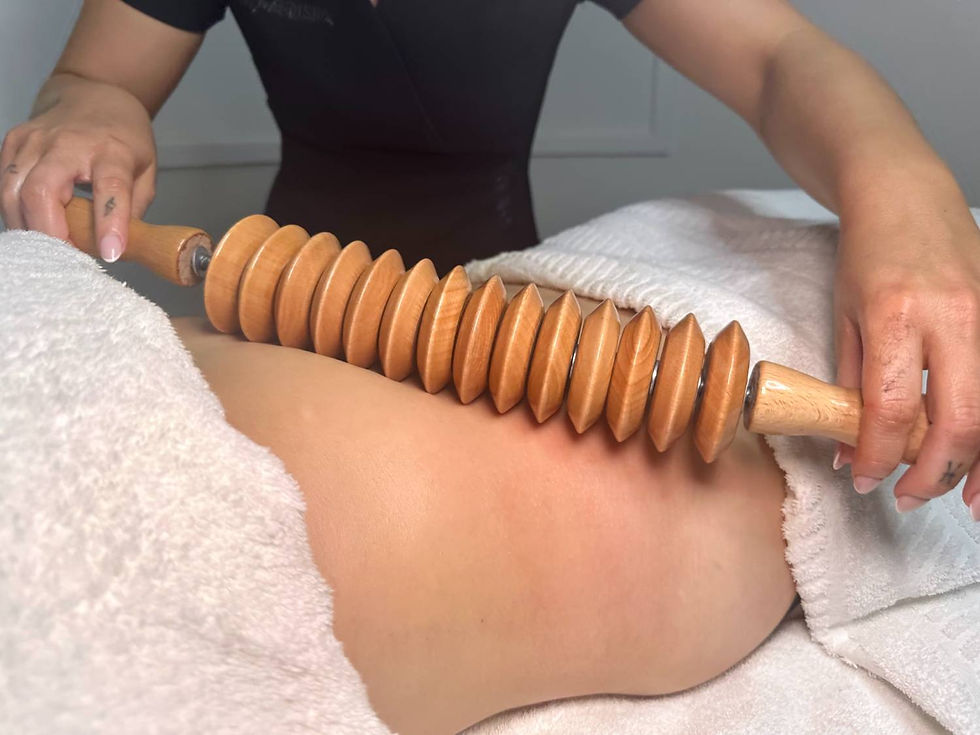
Problems often arise when oils are used too early, allowing sliding pressure over fragile areas, or when tools and machines are introduced without proper timing or assessment. Deep pressure is sometimes described as “breaking fibrosis” long before fibrosis is actually present. In the early stage, firmness usually reflects swelling and inflammation rather than scar tissue.
If treatment hurts in early healing, something needs to change. Pain at this stage often adds irritation rather than supporting recovery.
Why post-op MLD needs to change over time
Post-operative MLD evolves as your body heals. Early sessions focus on comfort, swelling support, and calming the system. As healing progresses, tissues rebuild and firmness becomes more defined. At that stage, more targeted techniques can be introduced when the body is ready.
Timing matters. Skill matters. A good therapist understands when to stay gentle and when deeper work has a place.

So, does lymphatic drainage after liposuction hurt?
No, it shouldn’t.
When post-operative MLD is applied correctly, using gentle Vodder-based techniques and timed appropriately for healing, it does not feel painful. Most people describe it as calming, relieving, and supportive at a point when their body feels swollen, tight, and unfamiliar.
If you are worried about pain, that fear usually comes from mixed messaging online or from seeing aftercare that does not reflect post-operative best practice. Safe MLD works with your healing tissues, not against them.
You should leave feeling lighter, more comfortable, and clearer about what your body is doing, not braced, sore, or distressed.


Comments