


Post-op compression garments: a stage 1, 2 and 3 guide
A clinical guide to safer, more comfortable cosmetic surgery recovery with compression garments and other tools.
In short: most people wear two stages of compression after surgery. Stage 1 is usually provided by your surgeon and worn for roughly the first 2 to 3 weeks. Stage 2 is firmer and more structured, usually started from around week 3 once wounds have closed and swelling has stabilised. It is the garment most people buy themselves. Stage 3 is optional and not everyone needs it. Always follow your surgeon's instructions on timing.
Compression garments play a key role in recovery after cosmetic surgery, but they are often misunderstood. Many people are told what to buy without being told why, when to change it, or how it should actually feel on the body.
Worn correctly, compression helps manage swelling, supports healing tissues, protects scars, and improves comfort. Worn incorrectly, it can cause pain, push swelling into the wrong areas, and slow recovery.
This guide is based on real post-operative practice. It reflects what experienced post-op therapists consistently see in clinic, not marketing claims or one-size-fits-all advice.
I support post-op clients in Cheltenham and Gloucestershire, and I also advise clients remotely who want clearer guidance when choosing their garments.
Why compression matters after surgery
After surgery, the body produces excess fluid as part of the healing process. Compression helps by: supporting the lymphatic system to move fluid out of the tissues, reducing swelling and pressure, supporting fragile healing tissues, protecting incision areas, and helping the skin re-drape as swelling settles.
Compression is not about squeezing as tightly as possible. It is about even, appropriate pressure in the right places, at the right stage of recovery.
Understanding Stage 1, Stage 2, and Stage 3 garments
One of the most common mistakes is moving into the wrong stage too early, or wearing the wrong garment for too long. The timings below are typical rather than fixed. Surgeons use different protocols, so always follow your own surgeon's instructions.
Stage 1 compression
Usually worn in the first 2 to 3 weeks after surgery.
-
softer, lighter compression
-
often provided by the surgeon
-
allows for swelling fluctuations
-
foams and pads are commonly used here
-
focus is swelling control, not shaping.
Stage 2 compression
Usually introduced from around week 3, once wounds are closed and swelling begins to stabilise.
-
firmer, more structured compression
-
supports contour and shape
-
worn for several weeks
-
this is where garment choice matters most.
Stage 3 compression
Optional, not mandatory.
-
sometimes used if swelling persists beyond 8 weeks
-
offers longer-term support
-
not everyone needs it.
More garments does not mean better recovery. A well-chosen Stage 2 garment, and Stage 3 only if needed, is often enough.

Choosing the right garment for your surgery
Garment choice should reflect what surgery you had, not just what size you are.
Standard tummy tuck
-
Stage 2 usually suitable from around week 3
-
garments stopping at the groin often cause issues.
Tummy tuck with flank lipo
-
avoid swimsuit-style garments that stop at the groin
-
these push swelling down into the thighs
-
full-leg garments give better pressure gradients
-
swelling is less likely to pool at the upper thighs.
360 lipo
-
more extensive tissue trauma
-
benefits from stronger, structured compression
-
stage 2 garments with good shaping support work best.
BBL
-
compression needs careful balance
-
shaping without flattening
-
garment structure and cut matter more than brand.
-
swelling patterns differ
-
many clients benefit from leggings that extend past the ankle
-
foot or toe coverage can help manage fluid movement.
How a compression garment should fit
A well-fitting garment from a less familiar brand will outperform a poorly fitting garment from a popular one.
Common fit issues I see include garments digging into hips or thighs, pressure creasing behind the knees, numbness or pins and needles, swelling shifting into new areas, and garments becoming loose too quickly.
Body proportions matter. Taller or broader clients often struggle with high-back garments designed for shorter torsos. Made-to-measure garments can still fail if measurements are taken too early or without understanding swelling patterns.
Don't size down automatically. Swelling going down doesn't, on its own, mean you need a smaller garment. A garment should be reassessed against your current measurements, your symptoms, your surgeon's requirements and the manufacturer's sizing guidance.
Length matters as well as size. If leggings gather or crease behind the knee, they may be too long for you. Some ranges come in more than one length, so check the length options before reordering.
Compression should feel supportive, not painful. If a garment causes digging, numbness, or worsening swelling, it needs reassessing.
Foams, boards, and add ons
Foams and boards are useful tools, but only at the right time.
Foams
-
mainly used in the early weeks
-
commonly paired with Stage 1 garments
-
help reduce seroma risk
-
support contour
-
placement should change as swelling changes
-
textured foams may be introduced later if fibrosis develops.
Boards
-
usually added once swelling stabilises
-
help prevent creasing and indenting
-
often worn over foams
-
should not sit on fresh scars.
These are supports, not permanent fixtures.
Compression garment brands and patient discount codes
I do not sell compression garments. I help clients choose and fit them safely, and these are brands my clients commonly use, each with different strengths. Where a patient code is shown, enter it at checkout on the brand's own website.
.png)
Recova VOE
-
Often used for early-stage support and system-based recovery.
-
Strong facial compression and stage 1 ranges.
-
Useful add-ons like foams and boards.
-
Worth considering after BBL, liposuction and gynaecomastia surgery. Fit, torso length and coverage matter.
-
Discount available: 10% off with code LYMPHARA
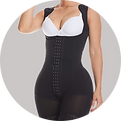.png)
4Bellu
-
Structured, stage 2 focused garments.
-
Strong shaping and contour support.
-
Often suited to 360 lipo, tummy tuck, and BBL recovery.
-
Discount available: 10% off with code Lymphara10
.png)
Macom
-
Known for comfort and adjustability.
-
Often preferred for post-breast surgery bras.
-
Helpful customer support.
-
Discount available: 15% off with code LYMPHARA15

CzSalus
-
Often used post-lipoedema reduction surgery.
-
Leggings with extended foot coverage.
-
Useful for specific swelling patterns.

LIPOELASTIC
-
Widely used and surgeon-familiar.
-
Large product range, inc. foams.
-
Garment style selection is important, especially leg length.
-
One I recommend regularly, particularly for lipoedema surgery patients.
-
Discount available: 10% off with code LYMPHARA

Medasun
-
Commonly used immediately after surgery.
-
Designed for early swelling control and incision support.
-
Light to moderate compression for the initial recovery phase.
-
Best suited for short-term use in the first weeks.
-
Many clients transition to a different garment as swelling reduces.
Some of the brands featured here are Lymphara partners, which means we may receive a small commission or other benefit if you purchase using our codes. This doesn't affect the price you pay or the advice we give.
Frequently asked questions
These answers reflect what I see in clinic. They are general guidance, not a replacement for your surgeon's instructions.
When should I switch to a stage 2 garment?
Often from around week 3, once wounds have closed and swelling has stabilised. Protocols differ between surgeons and procedures, so follow your own surgeon's instructions on timing.
Should I size down as my swelling goes down?
Not automatically. Reduced swelling doesn't on its own mean you need a smaller garment. Reassess against your current measurements, your symptoms, your surgeon's requirements and the manufacturer's sizing guidance.
Do I need a stage 3 garment?
Not everyone does. Stage 3 is sometimes used if swelling persists beyond about 8 weeks, and a well-chosen stage 2 garment is often enough.
How tight should a compression garment feel?
Supportive, not painful. Digging in, creasing behind the knees, numbness, pins and needles, or swelling shifting into new areas are signs the garment needs reassessing.
Why does my garment crease behind the knee?
It may be too long for you. Some ranges come in more than one length, so check the length options as well as the size.
Do I have to use one of the brands listed?
No. Fit matters more than brand. A well-fitting garment from a less familiar brand will work better than a poorly fitting garment from a popular one.
How do I use a discount code?
Enter the code exactly as shown above at checkout on the brand's own website.
Need help with your garment?
Local post-op support in Cheltenham
I support post-operative clients in Cheltenham and the wider Gloucestershire area. I regularly see garment-related issues early and help adjust recovery plans as swelling changes.
Remote advice is also available for clients who want guidance choosing or reassessing compression garments.

